
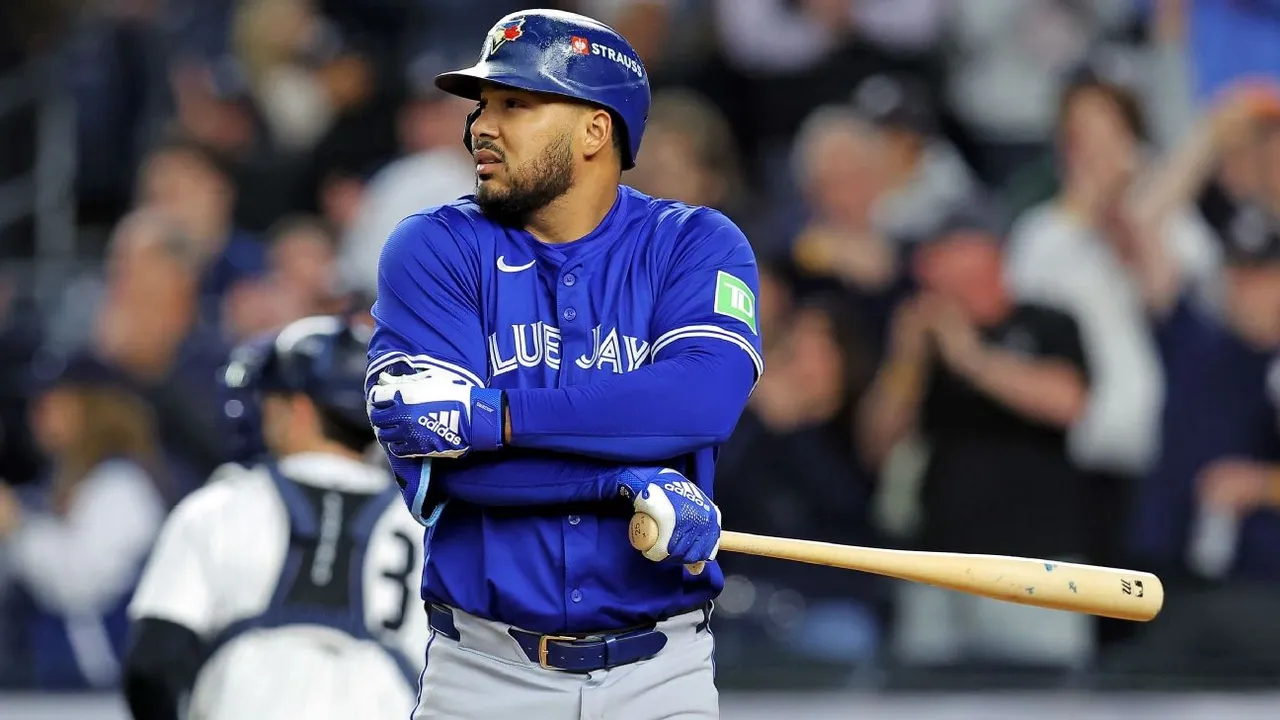
Anthony Santander’s Setback: Implications for the Blue Jays
A Sudden Setback Creates a Shift in the Game
In recent news, Anthony Santander’s unexpected injury setback has sent ripples throughout the baseball community, prompting fans and analysts alike to reassess team strategies. The incident, which occurred during a high-stakes practice session, has raised concerns about player longevity and overall team performance. With lingering symptoms impacting his previously stellar form, this development ushers in both uncertainty and a pivotal moment of reflection for professionals within the sport.
In this update, readers will gain insight into:
- The circumstances leading up to Santander’s injury and its immediate effects on his play.
- How such setbacks are managed by coaching staff in high-pressure environments.
- The broader implications for team dynamics and tactical adjustments, particularly in major league settings.
This analysis not only demystifies the rehabilitation process but also provides actionable tips for managing sudden disruptions. For local enthusiasts and professionals in Hamilton, Toronto, and across Ontario, understanding these dynamics is crucial to adapting training regimens and ensuring resilience on the field. By examining the interplay of injury management and tactical innovation, this guide offers a comprehensive look into modern baseball challenges and practical strategies to overcome them.
Contract Dynamics and Pre-Injury Projections
Before the latest setback emerged, Anthony Santander’s deal with the Blue Jays was met with high expectations from both coaching staff and local fans. The contract, structured to secure his talents for the coming seasons, showcased the team’s commitment to invest in young potential and a dynamic style of play. Experts had anticipated that Santander would swiftly become a pivotal part of the lineup, offering both offensive firepower and defensive reliability.
Key points that defined the initial buzz included:
- Performance incentives: The deal featured benchmarks based on his contribution during early season matchups.
- Development focus: Emphasis was placed on refining his hitting techniques and base running, aligning with modern analytics.
- Long-term vision: The contract underpinned the Blue Jays’ broader strategy to nurture upcoming talents while maintaining a competitive edge in Toronto and surrounding regions.
This forward-thinking approach illustrated a balance between risk and reward, as management aimed to leverage contemporary training methods. For fans and analysts alike, understanding these contract intricacies offers insights into how strategic investments shape team performance and influence broader league trends in Ontario and across Canada.
Strategic Adjustments and Emerging Opportunities
The current absence of a key player has sent ripples through the Blue Jays’ lineup, prompting coaches and analysts to rethink their tactical approaches. With Santander sidelined, teams are exploring how to exploit available resources while ensuring that defensive and offensive structures remain balanced. This period of adjustment highlights the importance of adaptability and strategic depth within modern baseball.
Coaches are closely evaluating the following areas:
- Lineup modifications: Adjusting batting orders to compensate for missing power and on-base skills.
- Defensive reassignments: Redistributing field responsibilities to maintain robust infield integrity.
- Baserunning strategies: Emphasizing speed and decision-making to offset gaps in production.
For fans in regions such as Toronto, Hamilton, and throughout Ontario, this shift in dynamics offers a fascinating case study in resilience and tactical evolution. Embracing these changes not only fosters a deeper understanding of roster management but also provides actionable insights for applying similar principles in local baseball clinics and community sports programs. As teams work to integrate emerging talent and innovative techniques, they continue to prioritize a competitive edge that resonates with enthusiastic supporters locally and beyond.
Evaluating Replacement Strategies Amid Setback
In the wake of recent challenges, teams must explore potential replacements and tactical adjustments with an eye toward both stability and innovation. A clear, objective comparison can help determine the best course forward. Consider the following factors when evaluating replacement options:
- Player Experience:
- Veteran Competence: Offers a wealth of in-game wisdom, established consistency, and a proven track record in pressure situations.
- Emerging Talent: Brings youthful dynamism, rapid adaptability, and the opportunity to inject fresh energy into the roster.
- Skill Set Adaptability:
- Traditional Approaches: Lean on time-tested techniques and structured training regimens that ensure reliability and immediate impact.
- Modern, Data-Driven Tactics: Emphasize advanced analytics, tailored drills, and innovative strategies that align well with current competitive trends.
- Tactical Integration:
- Evaluate how each option fits into existing team dynamics, local game strategies, and training infrastructures in regions like Toronto and Hamilton.
By assessing these objective criteria, teams can strategically balance established expertise with dynamic innovation, ensuring a smooth transition during challenging times.
Fan Q&A: Addressing Recovery Concerns and Team Strategy
What is the expected timeline for recovery?
Medical staff are following rigorous rehabilitation protocols designed to ensure safety and effectiveness. Fans can expect progress updates as recovery milestones are reached, ensuring the player is ready to contribute at full strength.
How is the rehabilitation process being managed?
A comprehensive program combining physical therapy, strength training, and rehabilitation drills is in place. Key aspects include:
- Regular performance assessments
- Adjusted training loads
- Personalized recovery schedules
What measures are in place during his absence?
The team’s management is recalibrating game strategies to maintain competitive performance. This includes reassigning roles and encouraging emerging talent to step up, ensuring smooth on-field operations.
How will this setback impact team dynamics?
There is a concerted effort to maintain strong communication and cohesion. Coaches stress teamwork, using recovery challenges as opportunities for development.
What can local fans in Toronto and surrounding regions expect?
Community relations remain a priority, with transparent updates and interactive sessions planned to keep the fanbase engaged during this transition.
Reflecting on the Future of Team Dynamics
Santander’s injury marks a pivotal moment that goes beyond the immediate setback, prompting long-term strategic adjustments for the team. This conclusion underscores the necessity to evaluate how such challenges can reshape player rotations and management tactics. The impact of his absence is not just felt in daily game-day operations, but also in the broad framework of team development and community engagement.
Key takeaways include:
- Reassessing Roster Strategies: Coaches may refine training regimens and in-game adjustments to balance veteran experience with emerging talent.
- Enhanced Monitoring of Player Health: A focus on long-term injury prevention can foster a culture of proactive care, mitigating risks in future seasons.
- Strengthening Community Ties: Fans, from local enthusiasts in Toronto to neighboring regions, can use these developments as a springboard for meaningful dialogue about evolving team dynamics.
Action steps for readers involve delving deeper into tactical evolutions and engaging with local sports discussions. Embrace the opportunity to learn from these transitions, knowing that every setback sparks a chance for growth and renewed strategic vision. Keep the conversation alive and stay informed about the promising path ahead.
latest video

news via inbox
Nulla turp dis cursus. Integer liberos euismod pretium faucibua